
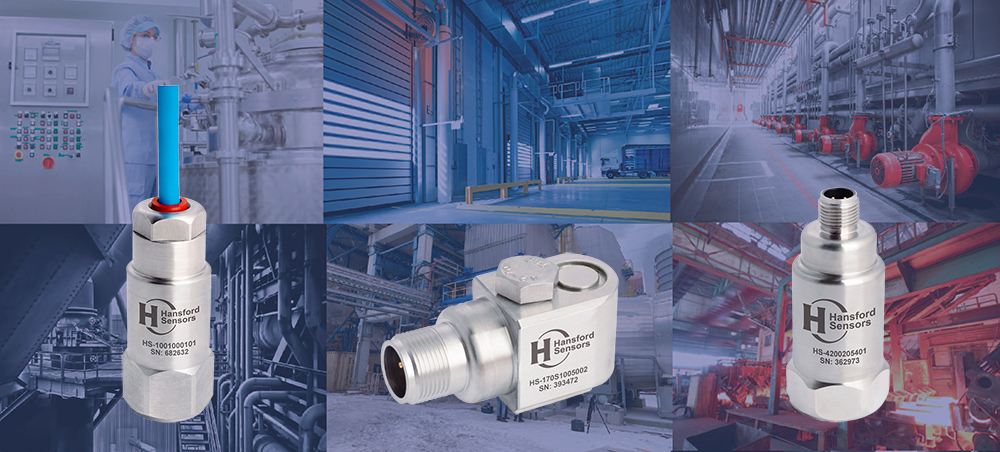
Best Practice: Key Tips for Installing Vibration Sensor
Installing vibration sensors correctly is essential for obtaining accurate, repeatable data from any monitoring programme. Even high-quality sensors can deliver misleading results if the sensor installation isn’t optimal. Understanding the correct process for installing vibration sensors helps maintenance teams capture reliable data, detect faults early, and avoid unnecessary downtime.
Why Proper Installation Is Crucial for Vibration Sensors
Correct installation directly influences the quality and usefulness of vibration data.
- The impact of correct installation on sensor accuracy and reliability
A vibration sensor must be securely coupled to the machine surface to accurately capture vibration energy. Poor contact or unstable mounting can reduce signal quality, especially at higher frequencies where early bearing faults are detected. - How improper installation can lead to faulty readings and equipment failure
Incorrect positioning, loose mounting, or mounting on non-rigid surfaces can introduce false vibration signals or mask real faults. This increases the risk of missed failures or unnecessary maintenance actions based on inaccurate data. - Preventing unnecessary downtime and repair costs through correct setup
Reliable vibration data supports accurate early fault detection and planned maintenance. Correct installation from the outset helps maintenance teams avoid emergency repairs, secondary damage, and unexpected production losses.
Step by Step Guide to Installing Vibration Sensors
Following a consistent installation process ensures dependable vibration measurements over the life of the sensor.
- Preparing the surface and equipment for sensor installation
The mounting surface should be solid, clean, and flat. Paint, grease, rust, and debris must be removed to ensure good contact. Where machine housings are curved or uneven, spot facing should be used to create a flat mounting area. - Key steps: choosing the right sensor, positioning, and mounting methods
Select a sensor suitable for the application, taking into account frequency range, temperature, and environmental conditions. Position the sensor as close as possible to the vibration source, typically near bearings or gearboxes. Stud mounting directly onto the machine housing is the preferred method, as it provides the best mechanical coupling and widest frequency response. - Testing and validating the sensor after installation
Once installed, confirm the sensor is secure and the signal is stable. Initial baseline readings should be captured to establish normal operating vibration. Cable routing should be checked to prevent strain, movement, or electrical interference that could affect signal quality.
Common Installation Mistakes and How to Avoid Them
Many vibration monitoring issues can be traced back to avoidable installation errors.
- Ensuring proper mounting to avoid vibration interference
Mounting sensors on thin guards, covers, or flexible structures can amplify or distort vibration signals. Sensors should always be installed on rigid machine surfaces that accurately reflect internal machine behaviour. - Preventing sensor damage during installation
Over tightening, incorrect threads, or poor handling can damage sensors during fitting. Using the correct mounting hardware and following Hansford’s installation guidance helps protect both the sensor and the equipment. - Best practices for sensor maintenance and troubleshooting post installation
Regular inspections should confirm sensors remain secure and cables are undamaged. Sudden changes in vibration trends should prompt checks of both machine condition and sensor mounting integrity to rule out installation related issues.
Correctly installing vibration sensors is the foundation of effective condition monitoring. By following proven installation steps and avoiding common mistakes, maintenance teams can trust their vibration data.


